
Do Hiking Poles Make Trails Safer for Older Adults?
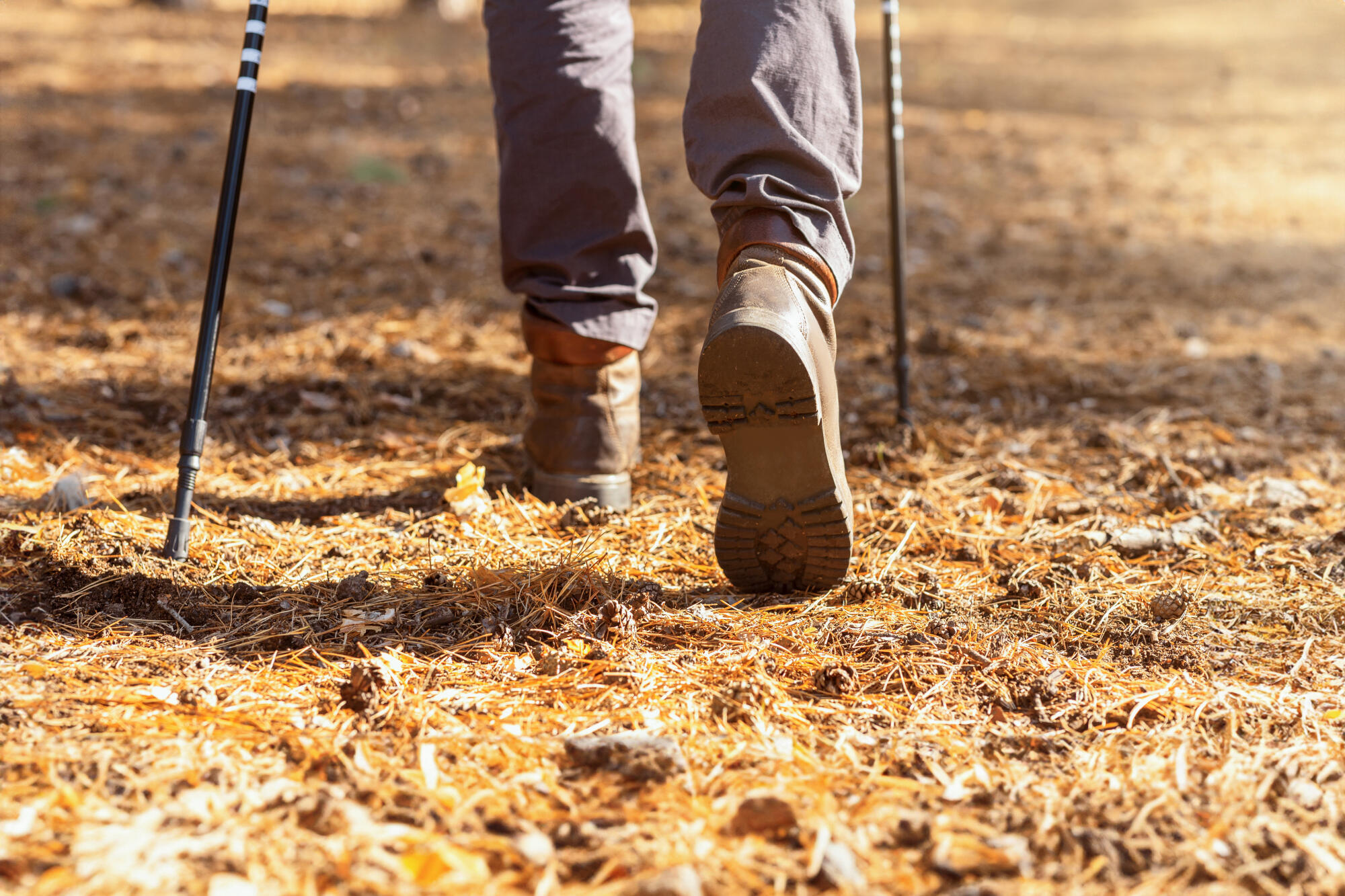
Hiking poles can make outdoor walking feel steadier and more confident for many older adults by improving balance and reducing joint strain. In Mt. Pleasant, Iowa, where walking paths and gentle trails are part of everyday life, the right support tools can help seniors enjoy time outside with greater ease and reassurance.
The benefits of hiking for seniors are almost too numerous to count. According to a massive NIH study, regular hiking reduces mortality by up to 41% in older people, while also bringing lasting benefits to balance, strength, independence, and mental health. You can't argue with that!
For older adults living independently or within an assisted living or memory care community, staying active outdoors supports routine, confidence, and overall well-being. Understanding how hiking poles work and when they are most helpful can guide safer choices for outdoor movement.
Do Hiking Poles Improve Balance For Older Adults?
Balance often changes with age, especially on uneven ground. Hiking poles can provide additional points of contact that help stabilize each step. This added support may reduce the feeling of wobble that can occur on gravel paths or gentle slopes.
Hiking poles are among the popular types of trail walking support that seniors rely on to feel more secure during outdoor walks. Poles encourage an upright posture and distribute effort more evenly across the body. This can help walkers stay focused on the path rather than worrying about footing.
In Mt. Pleasant, walking areas near residential neighborhoods and parks often include slight elevation changes. Poles can make these areas feel more manageable.
How Do Hiking Poles Reduce Fall Risk On Trails?
Falls often happen when balance shifts unexpectedly. Using poles allows walkers to react faster when footing feels uncertain. The arms engage naturally, offering a quick way to steady the body.
Many older adults view poles as fall prevention hiking gear that supports confidence rather than limiting independence. The added stability may help walkers slow down and maintain control.
For seniors who enjoy Mt Pleasant, IA, walking trails, poles can support safer movement during seasonal changes when paths may feel damp or uneven.
Are Hiking Poles a Low-Impact Outdoor Activity Aid?
Outdoor walking remains one of the most accessible forms of movement for seniors. Hiking poles support a low impact outdoor activity by reducing stress on knees and hips. The arms assist with propulsion, which can ease pressure on lower joints.
Balance tools for older adults often focus on reducing fatigue during longer walks. Poles can help distribute effort, making walks feel more sustainable and enjoyable.
This approach supports regular outdoor time without pushing the body beyond comfortable limits.
How Should Seniors Choose The Right Hiking Poles?
Selecting the right poles matters. Adjustable poles allow users to customize height for comfort and posture.Lightweight materials can make poles easier to manage for extended use.
Grip style and wrist straps also influence comfort. Seniors should choose designs that feel natural in the hand and easy to control. Rubber tips work well on paved paths, while textured tips may help on dirt or gravel.
Trying poles on a familiar path can help determine what feels most supportive.
Can Hiking Poles Support Confidence In Memory Care?
Confidence plays a major role in outdoor engagement. For some individuals in memory care, familiar tools can support routine and reassurance.Poles may serve as a consistent cue for outdoor walks when used under guidance.
In memory care settings, staff often assess whether poles add comfort or distraction. When appropriate, they can support gentle walking routines that feel structured and calm.
Communities that offer both assisted living and memory care can adapt outdoor support based on each resident's needs.
Are Hiking Poles Useful For Group Walks And Social Activities?
Walking often becomes more enjoyable when shared. Poles can help seniors feel comfortable joining group walks without fear of slowing others down.This can encourage participation in social outdoor activities.
Group walks within senior living communities provide structure and motivation. Poles help ensure that more residents feel able to join in comfortably.
Social connection often grows when physical barriers are reduced.
How Do Assisted Living Communities Encourage Safe Outdoor Walking?
Assisted living communities often promote outdoor movement as part of daily life. Staff may suggest tools like hiking poles when they support safety and independence. Walking paths within the community provide familiar routes that feel predictable.
At Addington Place of Mt. Pleasant, residents enjoy landscaped outdoor areas designed for relaxed walking and fresh air. These spaces allow seniors to stay active without navigating unfamiliar terrain.
The combination of supportive environments and personal choice helps residents maintain confidence outdoors.
Frequently Asked Questions
Are Hiking Poles Difficult For Beginners To Use?
Most people adapt quickly with short practice walks. Adjustable height and simple grips help ease the learning process.
Do Hiking Poles Replace Other Mobility Supports?
No. Poles complement walking but do not replace walkers or canes when those tools are needed.
Can Seniors Use Hiking Poles On Paved Paths?
Yes. Rubber tips work well on pavement and sidewalks, making poles suitable for neighborhood walks.
Are Hiking Poles Appropriate In Senior Living Communities?
Many communities allow poles when they support safety and comfort. Staff can help determine suitability.
How Do Poles Support Outdoor Confidence Over Time?
Regular use can improve posture awareness and rhythm, helping walks feel more predictable and controlled.
Can Assisted Living Staff Help With Outdoor Walking Routines?
Yes. Staff often encourage safe outdoor movement and can help residents establish comfortable routines.
Discover Supportive Outdoor Living At Addington Place Of Mt. Pleasant
Staying active outdoors should feel comfortable, social, and reassuring at every stage of aging. At Addington Place of Mt. Pleasant, residents benefit from thoughtfully designed walking paths, landscaped gardens, and welcoming outdoor spaces that encourage fresh air and movement.
Assisted living residents receive personalized support with daily tasks while maintaining independence, and memory care residents enjoy structured routines that foster familiarity and calm.
With chef-prepared homestyle meals, engaging daily activities, spacious apartments filled with natural light, and a caring team that understands individual needs, Addington Place supports active living in meaningful ways.
If you are exploring how tools like hiking poles can support safer outdoor time, we invite you to schedule a free tour and experience how our community helps residents move with confidence and purpose every day.